Why Personalization Is Reshaping Modern Marketing
Personalization has become one of the most important strategies in modern marketing. Audiences no longer respond to broad, one-size-fits-all messaging. Instead, they expect communication that feels relevant to their industry, priorities, and experiences.
From customized print campaigns to personalized digital engagement, businesses are finding new ways to create communication that feels more thoughtful, targeted, and human.
Personalization Is More Than Data
Personalization is often associated with customer data, automation, or digital targeting, but effective personalization goes far beyond that.
True personalization changes the experience itself.
It changes the visuals people see.
It changes the messaging they read.
It changes the tone, language, and calls to action.
It changes how communication connects with different audiences.
A healthcare organization communicates differently than a manufacturer. A nonprofit audience responds differently than a business services audience. Education, arts, and consumer brands all have unique goals, challenges, and communication styles.
Personalized marketing recognizes those differences and builds experiences around them.
One Campaign, Multiple Industry Experiences
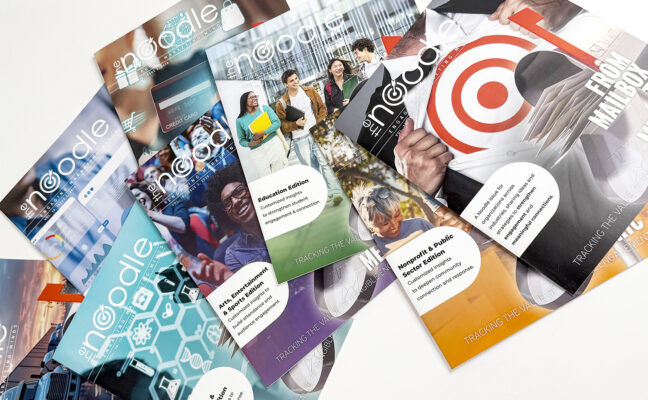
One recent campaign demonstrated how personalization can completely transform a single marketing concept into multiple audience-specific experiences.
The campaign included fully variable versions created for industries including:
- Arts, Entertainment & Sports
- Education
- Nonprofit & Public Sector
- Healthcare & Wellness
- Manufacturing, Distribution & Transportation
- Business, Financial & Technology Services
- Consumer, Food Services & Property Services
Rather than creating one generic version for everyone, the campaign adapted the creative direction, imagery, colors, messaging, and featured content for each audience segment.
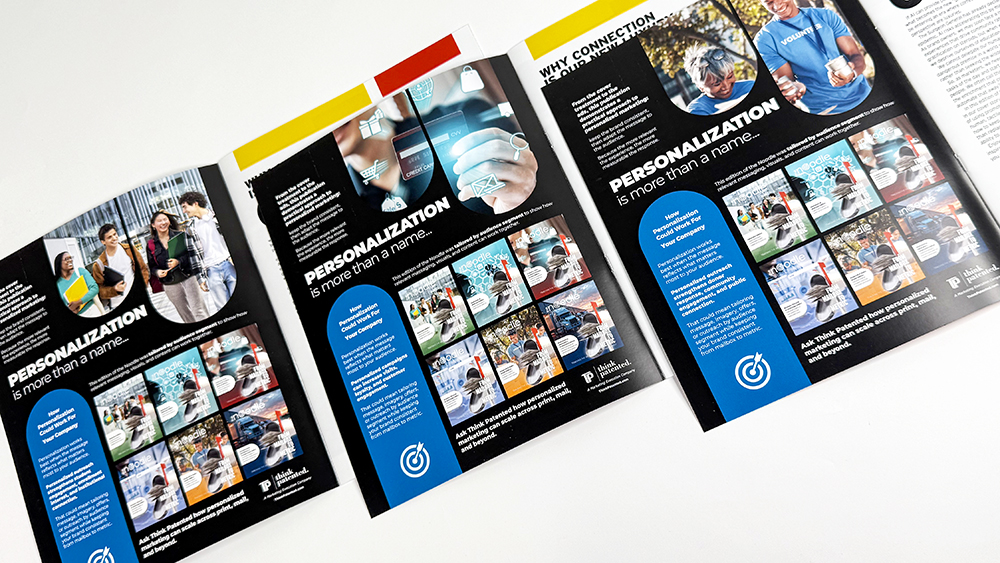
The cover, inside front cover ad, and back cover ad all changed depending on the industry version being viewed.
Each version maintained a consistent campaign structure while delivering a completely different experience for the audience receiving it.
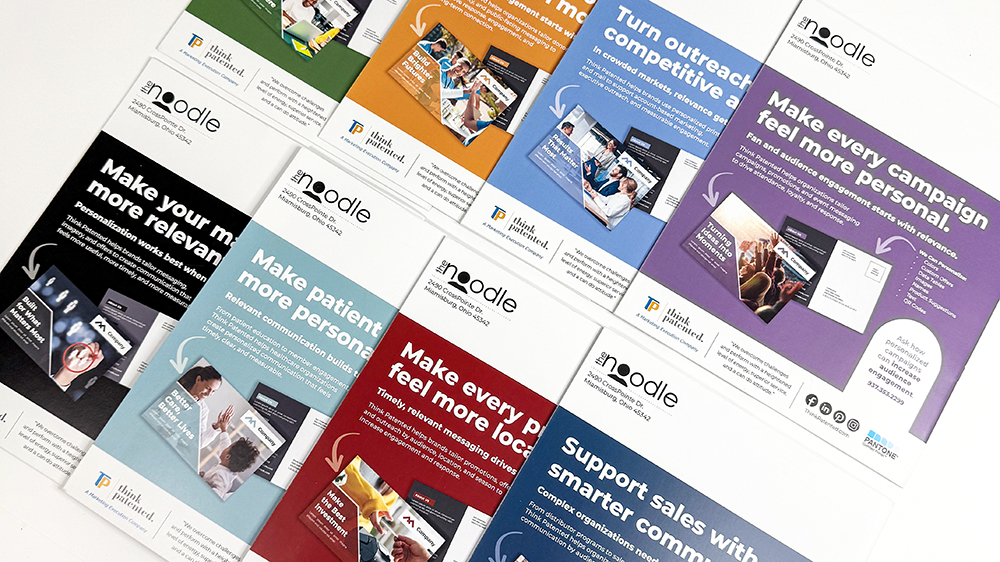
Although every version looked different, they were all built from the same strategic framework.
That is what modern personalization looks like.
Why Variable Creative Matters
Personalization becomes significantly more effective when audiences can immediately recognize themselves within the communication.
Instead of feeling like mass communication, the experience feels designed specifically for that industry or customer group.
This is especially impactful in print and direct mail, where physical experiences already create stronger attention and memorability compared to crowded digital environments.
By combining personalized imagery, industry-specific messaging, and tailored calls to action, brands can create campaigns that feel custom-built without losing consistency across the broader campaign strategy.
Personalization Creates Stronger Engagement
Audiences engage more with communication that reflects their world.
Personalization helps organizations:
- Improve engagement
- Increase response
- Strengthen retention
- Build trust
- Create more memorable experiences
- Make communication more meaningful
The more relevant the experience feels, the more effective the communication becomes.
The Future of Personalized Communication
Personalization is no longer optional. It has become an expectation.
Organizations are moving beyond generic campaigns and toward communication systems that adapt messaging, visuals, and experiences for different audiences at scale.
Whether through digital engagement, direct mail, personalized print, or variable creative campaigns, personalization allows brands to create communication that feels more relevant and more human.
In increasingly crowded markets, relevance is what captures attention.
Explore the digital magazine to see the campaign’s core creative and messaging strategy in action.
Curious about what’s possible? Let’s talk—consultations are always free! Just fill out the form below or give us a call at 937.353.2299.